Presented My Research at SciX 2025
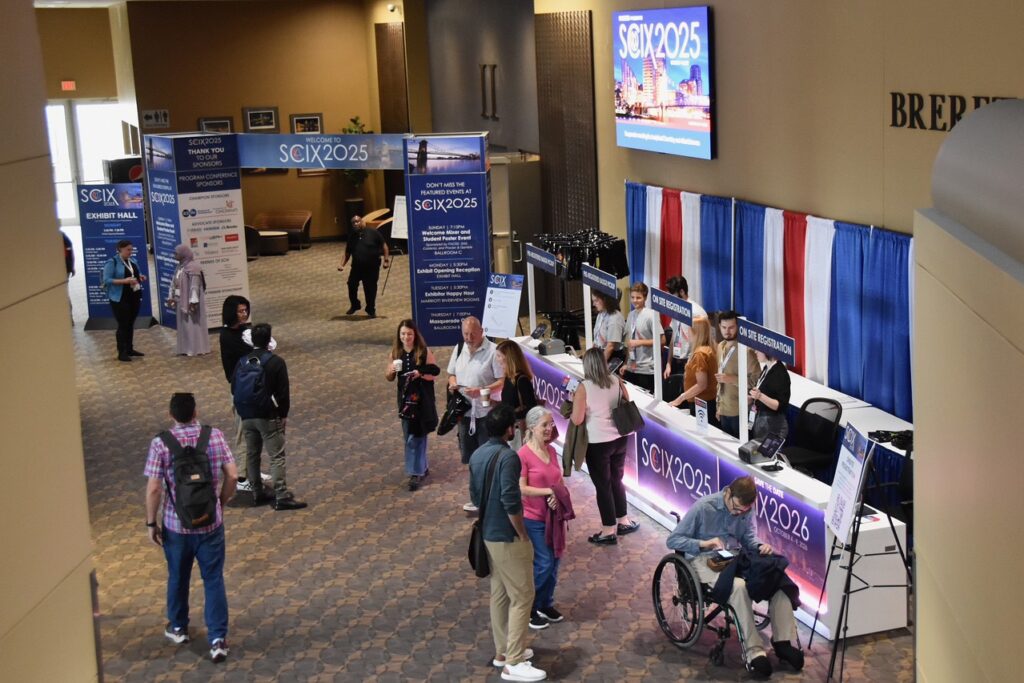
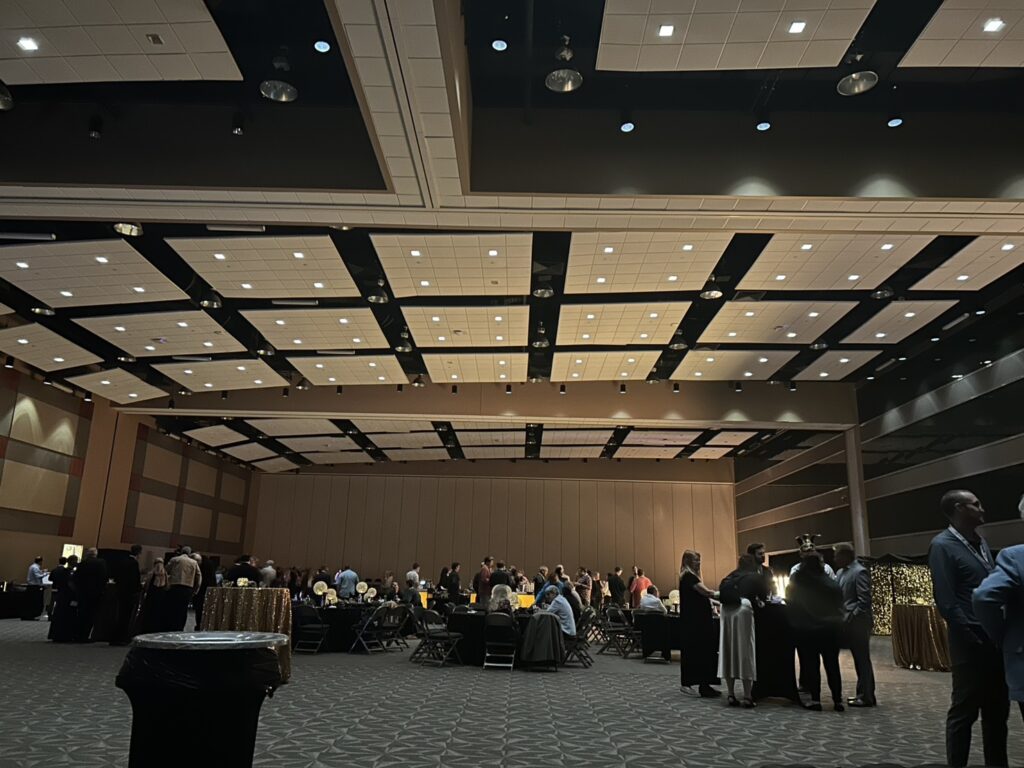
I had the great opportunity to present my research at SciX 2025, held in Covington, Kentucky, USA, from October 5–10.
Although I usually present my work in the field of animal science, this time I joined a conference focused on spectroscopy, which provided many new insights and inspirations.
🧠 Presentation Overview
My presentation was titled:
“The use of a single sample-type NIRS calibration to predict starch content across feces and feed, based on spectral preprocessing and wavelength selection.”
In this study, I developed an NIR calibration model that can be applied across different sample types—such as feces and feed—to accurately predict starch content through optimized spectral preprocessing and wavelength selection.
Through discussions with researchers specializing in spectroscopy and chemometrics, I gained valuable feedback and new perspectives on data interpretation and model transferability.
🌿 Experiences in the U.S.
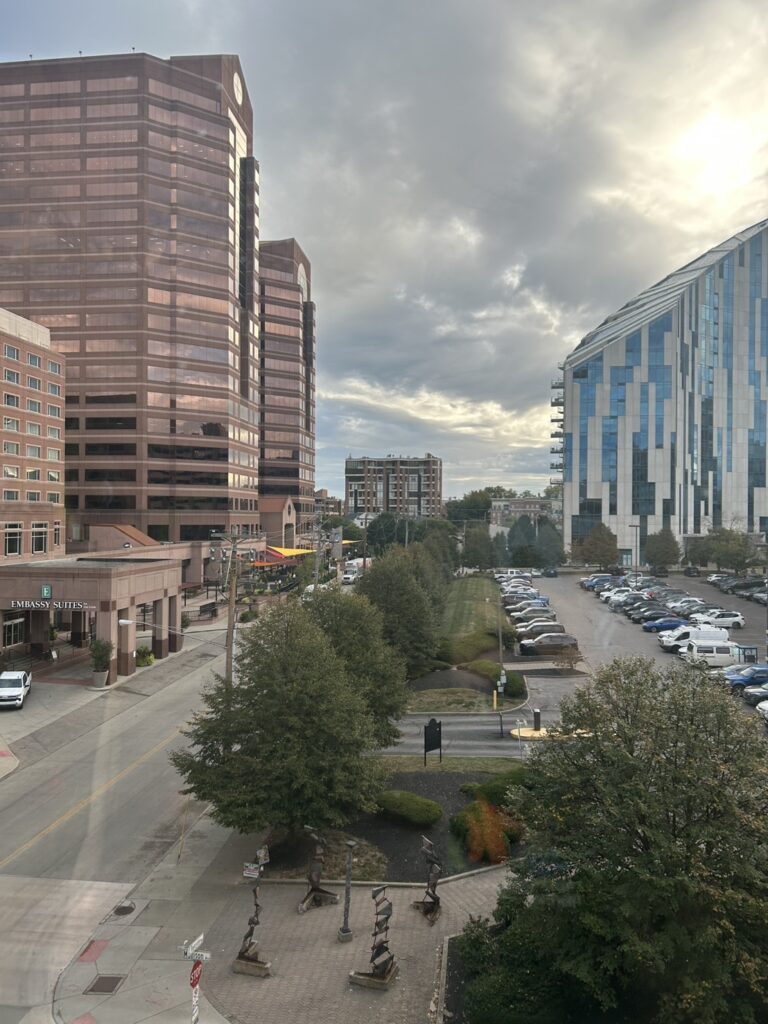
Covington is a beautiful city with a rich historical atmosphere and scenic views overlooking the Ohio River.
Interestingly, due to the budget shutdown in the U.S., some presentations were canceled—offering a rare opportunity to witness the realities of academic operations under such conditions.
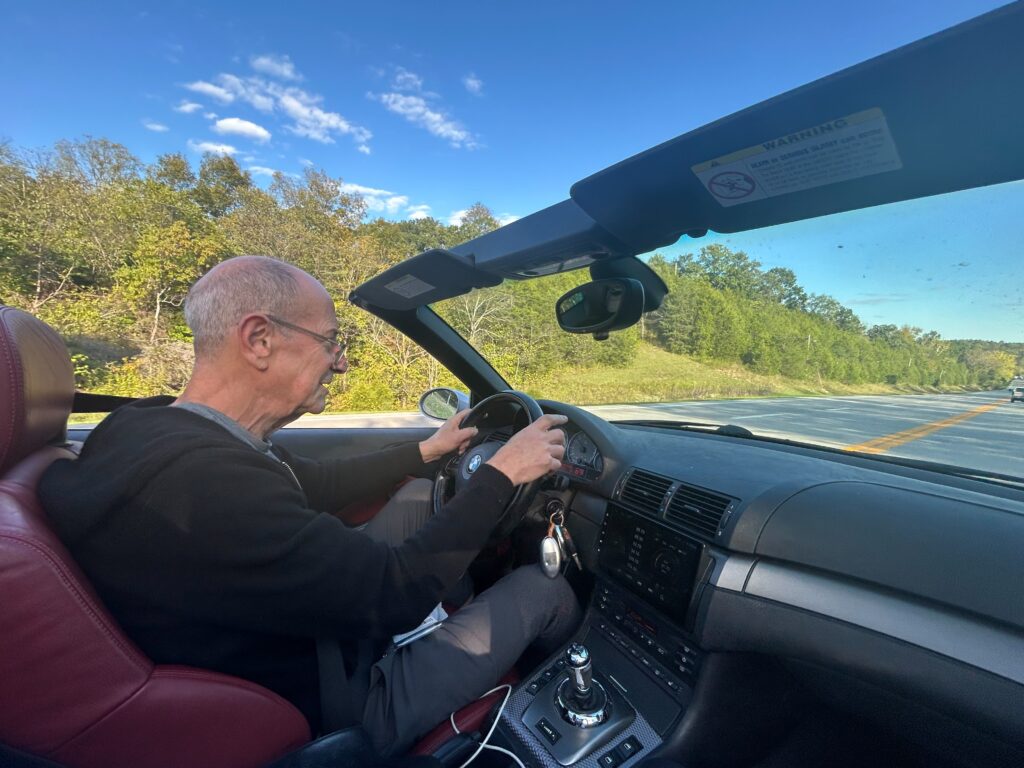
During the conference, I was kindly invited by Prof. Bruce from the University of Cincinnati to visit the farm of Ms. Laura Freeman, a beef cattle producer in the neighboring town 🐂.
Ms. Freeman is an inspiring figure who practices environmentally sustainable beef production in collaboration with universities. Her ongoing projects include:
- Soil conservation using biochar,
- Cover crops, rotational grazing, and crop rotation for soil carbon accumulation,
- Pest management methods without chemical agents such as pyrethrin or glyphosate (Roundup).
Her dedication to bridging science and practical farming deeply impressed me and further strengthened my motivation for research.
🔗 Laura’s Lean Beef Official Website
Moving forward, I aim to continue advancing research that bridges spectroscopy and animal science, and to deepen the understanding of feed characteristics and digestive dynamics using chemometric approaches.